
Boiler Trouble: No Hot Water? Try These Fixes Before Calling an Expert

You turn on the tap expecting a warm shower, but ice-cold water pours out instead. That sudden lack of hot water from your boiler hits hard, especially on a chilly morning when you need it for washing up or a quick bath. A working boiler keeps your home running smoothly, handling everything from hot taps to underfloor heating. This guide walks you through simple checks and fixes to get things back on track fast. If those don’t work, know when to reach out for expert help.
Initial Diagnostics: The Easiest Fixes You Can Try Now
Start with the basics before diving deeper. These steps take just a few minutes and often solve the problem without tools. You can handle them safely at home.
Check the Power Supply and Thermostat Settings
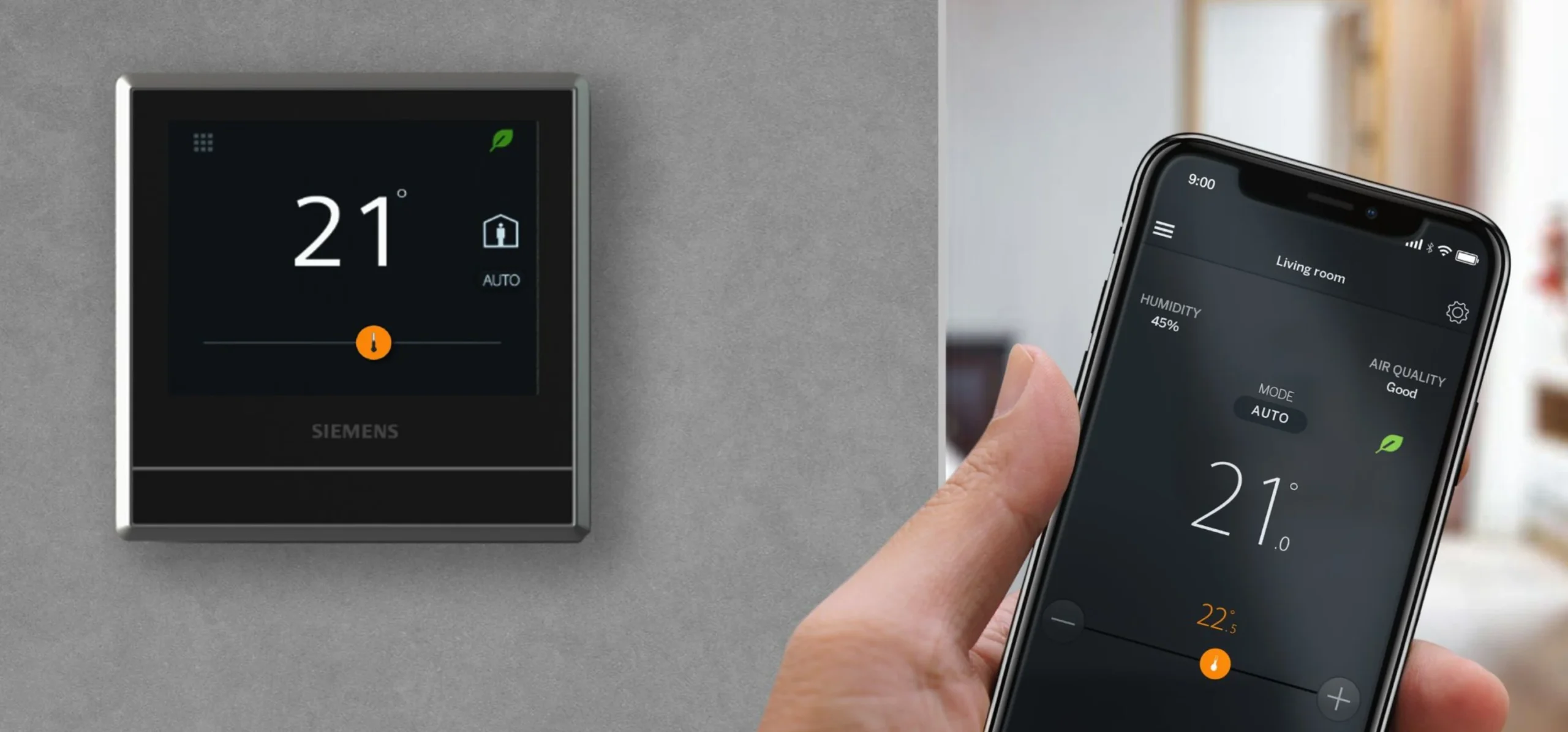
First, make sure your boiler has power. Flip the switch on the wall or check the fuse box for a tripped breaker. If everything looks fine, head to the thermostat. Set it higher than room temperature and confirm the programmer allows hot water right now.
Boilers won’t fire up if the schedule says otherwise. For example, if it’s set for evening use only, you’ll get no hot water from boiler during the day. Reset the clock if needed, and test the taps again after 10 minutes.
Inspect Pressure Gauge Readings
Look at the pressure gauge on your boiler, usually a dial on the front panel. It should read between 1 and 1.5 bar when the system’s cold. Too low, and the boiler shuts down to avoid damage.
To fix low pressure, find the filling loop under the boiler. Connect it to the mains water and slowly open the valves until the gauge hits 1.2 bar. Close the valves tight, then check for hot water flow.
If pressure drops often, air might be in the pipes. Bleed the radiators starting from the lowest floor to push it out.
Look for Error Codes or Indicator Lights
Modern boilers flash lights or show codes on a digital display when something’s wrong. Grab your user manual or search the manufacturer’s site for the model number. Common codes like F28 on Worcester boilers mean a power issue, which a simple reset fixes.
For a lockout code, press the reset button—often marked with a flame icon—and wait. If it’s E133 on some Vaillant models, it points to ignition failure, but try resetting first.
Keep a note of the code if it returns. That helps pros diagnose faster later.
Common Causes When Simple Resets Don’t Work
If power and pressure check out, the issue might run deeper. These problems affect many homes, especially older setups. Spotting them early saves time and money.
Identifying Issues with the Pilot Light or Ignition Sequence
Older boilers rely on a pilot light that stays lit. If it’s out, you’ll notice no hot water from boiler at all. Turn off the gas supply, wait five minutes, then relight it following the manual’s steps—usually hold the knob in while sparking.
Newer models use electronic ignition, so no pilot to worry about. But electrodes can get dirty, blocking the flame sensor. Symptoms include the boiler clicking but not staying on.
Clean around the burner area with a soft brush if you’re comfortable, but gas work needs caution. Most times, a pro cleans or replaces parts to fix it.
Understanding Frozen Condensate Pipes (Condensing Boilers)
Condensing boilers produce acidic water as waste, which drains through a plastic pipe. In cold snaps, that pipe freezes outside, stopping the boiler from running. You’ll hear gurgling or see no hot water despite power.
To thaw it, pour warm water from a bucket over the pipe—avoid boiling to prevent cracks. Start at the boiler end and work outwards. Once melted, the system should restart.
Wrap the pipe with foam insulation or heat tape for next winter. That prevents repeats and keeps your boiler efficient.
Faulty Diverter Valve or Plate Heat Exchanger Problems
The diverter valve directs hot water to taps or radiators. If it’s stuck, hot water might go to heating instead, leaving taps cold. You might feel radiators warm up when you run the shower.
In hard water areas, limescale builds up in the plate heat exchanger, slowing flow. Signs include weak pressure from taps even if the boiler hums.
These parts need a pro to service. A quick valve fix or descale can restore full hot water supply.
When Your Heating Works But Hot Water Doesn’t (System Specific Issues)
Heating on but taps cold points to hot water circuits. Boilers vary by type, so match your checks to yours. Combi or system—know which you have from the manual.
Combi Boiler Specific Failures: Flow Rate Sensors and Diaphragms
Combi boilers heat water on demand, no storage tank. A faulty flow sensor might not detect tap use, so the boiler ignores the call for heat. Low water pressure under 1 bar often triggers this.
Check your taps’ flow—aim for at least 2 litres per minute. Clean aerators if clogged. The diaphragm inside can wear out, blocking sensor signals.
Replace it yourself if handy, but kits cost little. Otherwise, call for a sensor swap to avoid bigger faults.
System Boiler Issues: Cylinder Thermostat or Immersion Heater Failure
System boilers store hot water in a cylinder upstairs. If the thermostat fails, water stays cold despite the boiler working. Set it to 60°C and listen for the pump.
The immersion heater acts as backup—switch it on for a few hours to heat the cylinder directly. It uses more electricity but gets you hot water fast.
Test by feeling the cylinder top; it should warm up. If not, the element might need replacing by an expert.
Safety First: When to Immediately Shut Down and Call an Expert
DIY stops at simple checks. Pushing further risks harm or voids warranties. Spot danger signs quick to stay safe.
Recognising Gas Leaks and Carbon Monoxide Risks
Gas smells like rotten eggs if leaking—don’t ignore it. Carbon monoxide is silent, no smell, but causes headaches or dizziness. Faulty boilers produce it if combustion fails.
Turn off the gas meter tap right away. Open windows and doors for air. Leave the house and call the gas emergency line at 0800 111 999 in the UK.
Install CO alarms near the boiler. Test them monthly to catch risks early.
Leaks, Rattling Noises, or Complete Silence After Reset Attempts
Water puddles under the boiler mean a leak—switch off power and water supply. Rattling sounds like a failing pump straining against blockages.
Silence after resets could signal a blown fuse or dead control board. Don’t poke inside; it needs pro tools.
These point to internal breaks. Contact a Gas Safe engineer same day to avoid floods or fires.
Conclusion: Getting Back to Comfort Quickly
Troubleshoot in layers: start with power and thermostat, move to pressure and codes, then check for freezes or valves. No hot water from boiler disrupts your day, but most fixes take under an hour. Routine servicing once a year keeps these issues at bay—book it now to avoid winter woes.
If taps stay cold after your checks, don’t wait. Call us for fast, reliable help. Our Gas Safe pros arrive equipped to sort it out and restore your hot water flow.